
The project Soclimpact surveys the impact of climate change on European islands. Based on comprehensive data about climate and maritime environment, different climate scenarios will be modelled by the consortium and political implications of this will be discussed. This will enable us to present predictions about the effects of climate change concerning the life of inhabitants and tourists on these islands.
Soclimpact
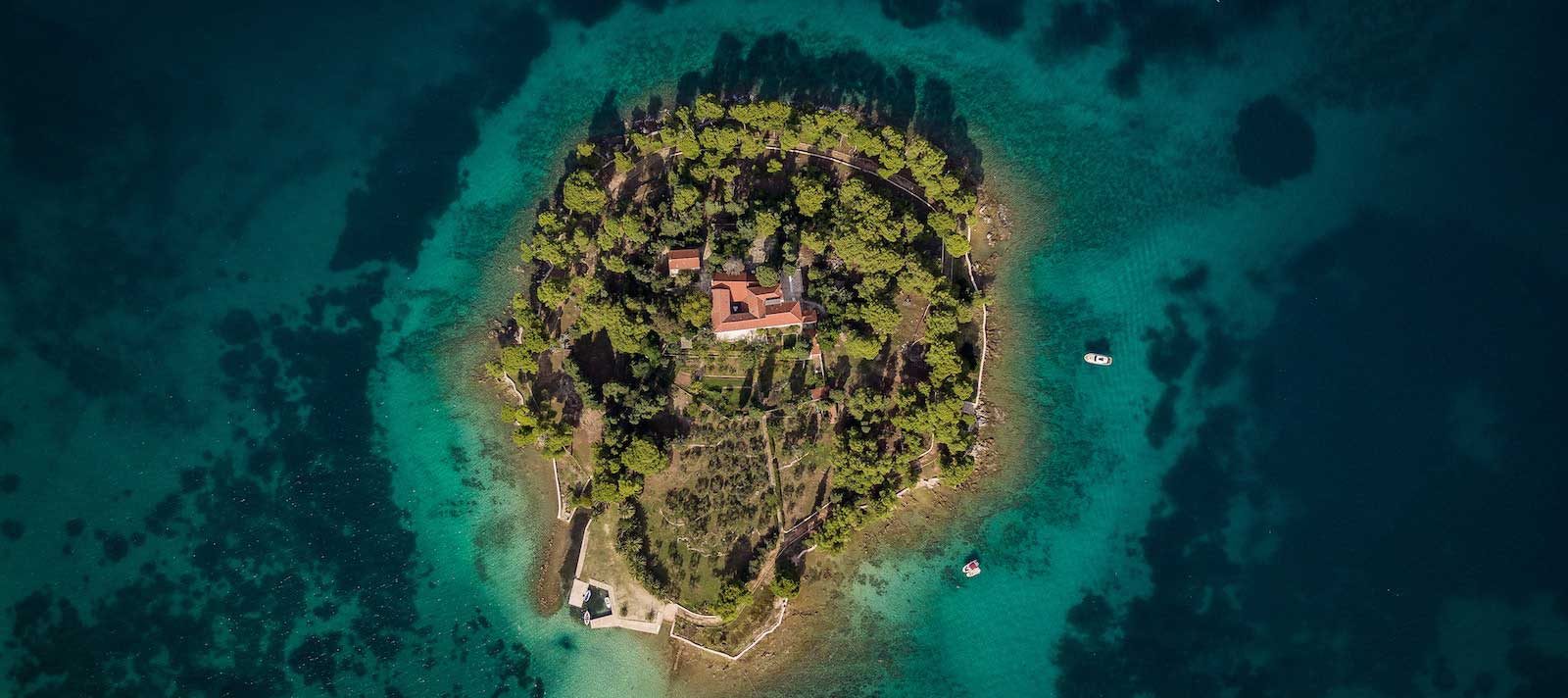
The project will look at four sectors: tourism, fishing or aquaculture, renewable energies and maritime transport. The goal is to recognise risks for a sustainable economy on the islands and to prevent these (e.g. Water shortage, energy shortage, changes in maritime flora and -fauna, impacts of severe weather events, floods, seaside erosions). Based on these predictions, effective adaption measures will be discussed and developed – together with politicians and other important stakeholders on each respective island that takes part in the project. In Soclimpact, BEF Germany takes responsibility for the Baltic Sea region. In cooperation with the island of Fehmarn, which includes the whole island, we will implement the project in our region.
Project details
- Projectname: Soclimpact
- Project management: Universität Las Palmas de Gran Canaria
- BEF sector: Energieeffizienz/Klimawandel
- Funded by: Horizont 2020
- Operational time: 12/2017 – 12/2020
- Partners: 24 Partners
- Project website: www.soclimpact.org
Participating countries
Italy, Spain, Malta, France, Greece, Portugal, Cyprus, Germany
Project employees